
Carry-on
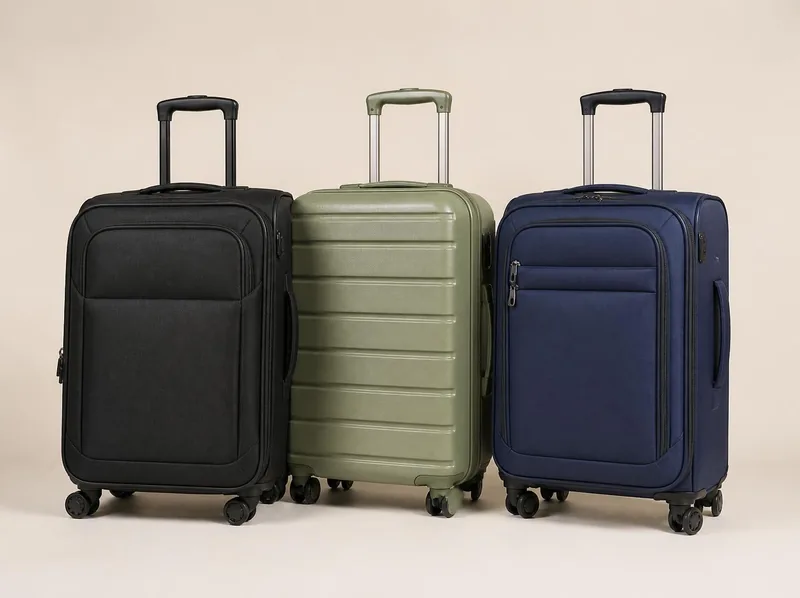
Travelpro Platinum Elite carry-on
Softside case with handy outside pockets, from a brand long associated with airline crews.

Travel gear
A curated list of travel product types worth a look — with the buying tips that matter. No star ratings, no invented rankings.
Good travel gear is mostly about fit: the right size for your airline, clothes that pack small, and a few accessories that solve real problems. We group picks by category and explain what to check before you buy. Specs, sizes, and prices change — always confirm on the retailer's page.
Buying guide
How to choose carry-on luggage
Size rules, wheels, weight, and what actually matters.

We may earn a commission if you buy through links on this page, at no extra cost to you. As an Amazon Associate I earn from qualifying purchases. Learn more
01
4 picks
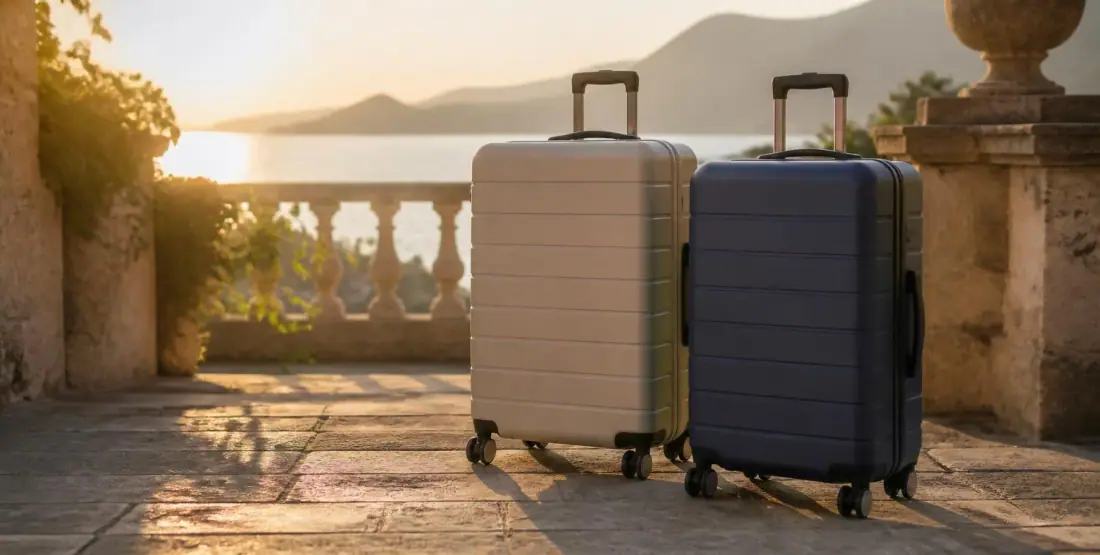
A good suitcase is mostly about fit: the right size for how you travel, wheels and handles that hold up, and a weight that leaves room for your things. Start with the trips you actually take, not the ones you imagine.
Buying tips
Carry-on
Carry-on
Softside case with handy outside pockets, from a brand long associated with airline crews.
Carry-on
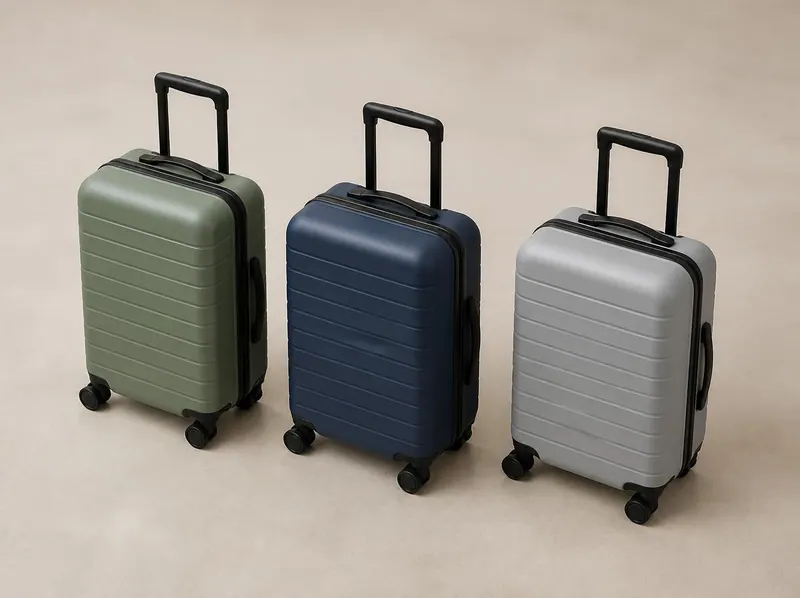
A rigid shell resists crushing and rain. Check the listed dimensions against your airline’s carry-on limit.
Checked
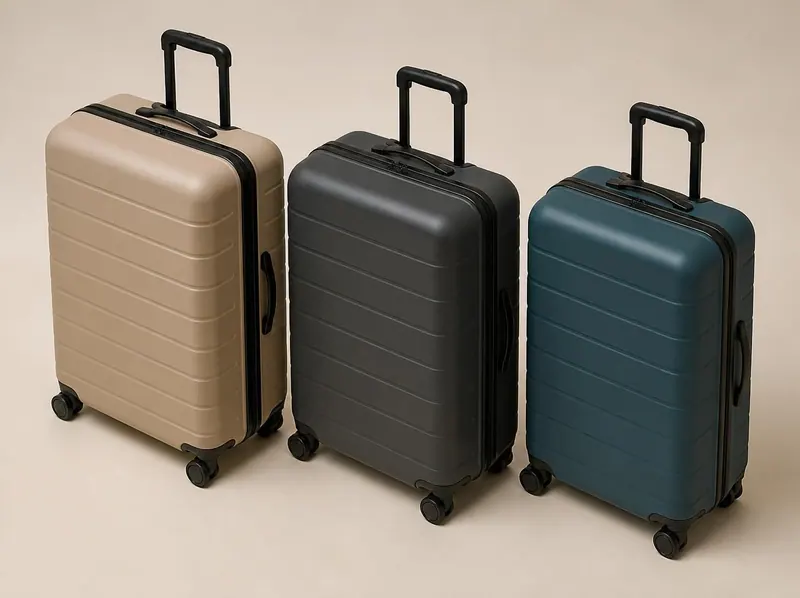
Checked
A larger case for longer trips. Compare empty weights, since a heavy case uses up part of your checked-bag allowance.
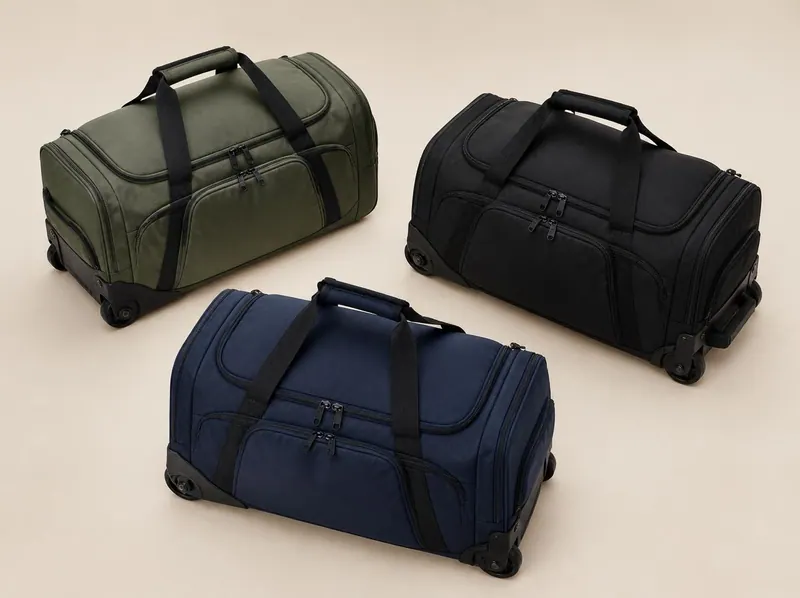
Checked
Soft and flexible, handy for bulky or awkwardly shaped gear.
Not sure what size you need? Read our carry-on buying guide.
02
2 picks
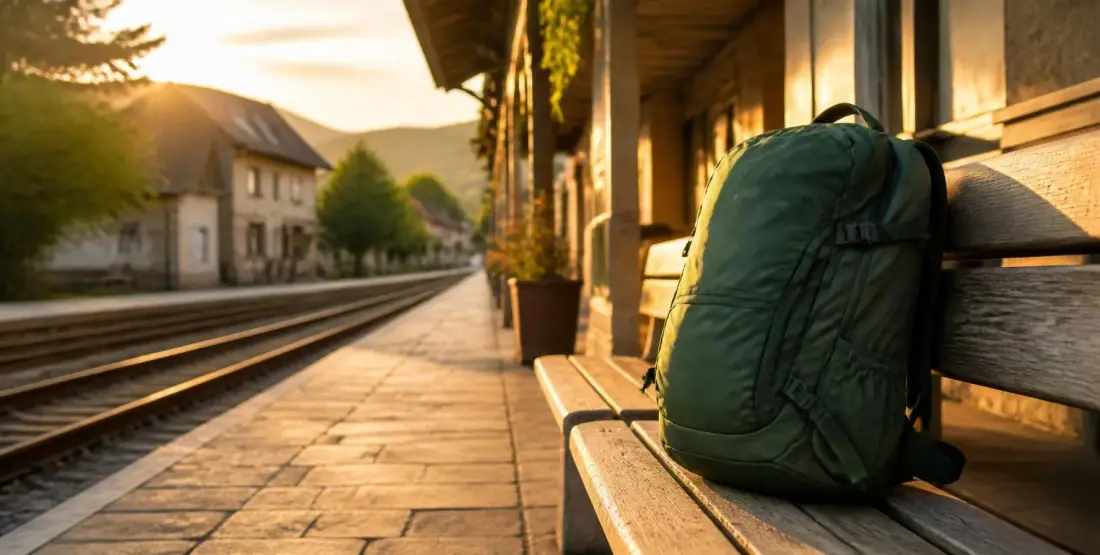
A travel backpack keeps your hands free on stairs, trains, and uneven streets. The best ones open like a suitcase, carry comfortably when full, and still fit airline carry-on limits.
Buying tips
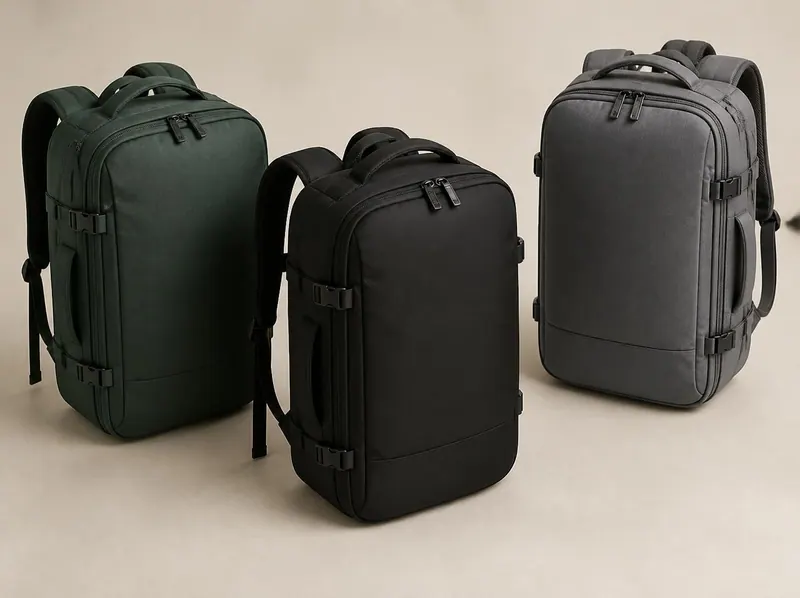
Backpacks
A suitcase-style opening and a hip belt are worth looking for. Confirm external dimensions, not just liters.
Backpacks
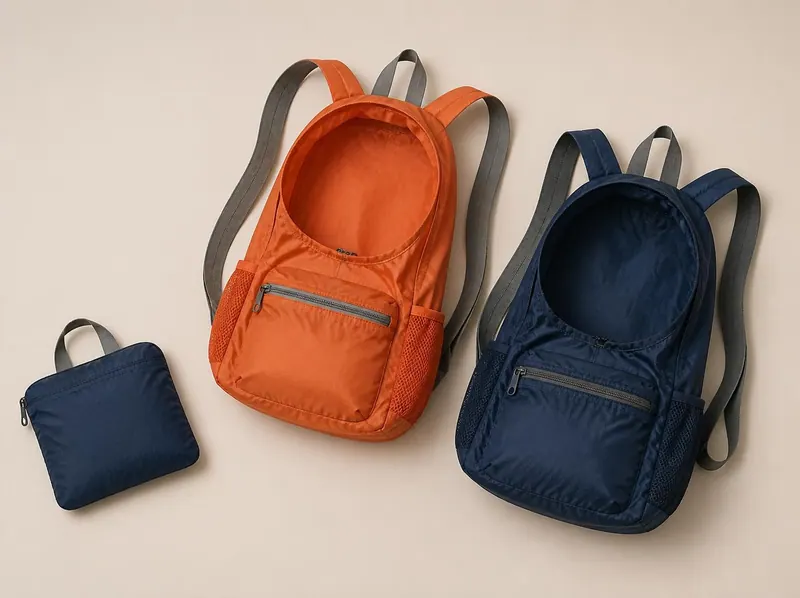
Folds into its own pocket, so it takes almost no room until you need a bag for day trips.
03
4 picks
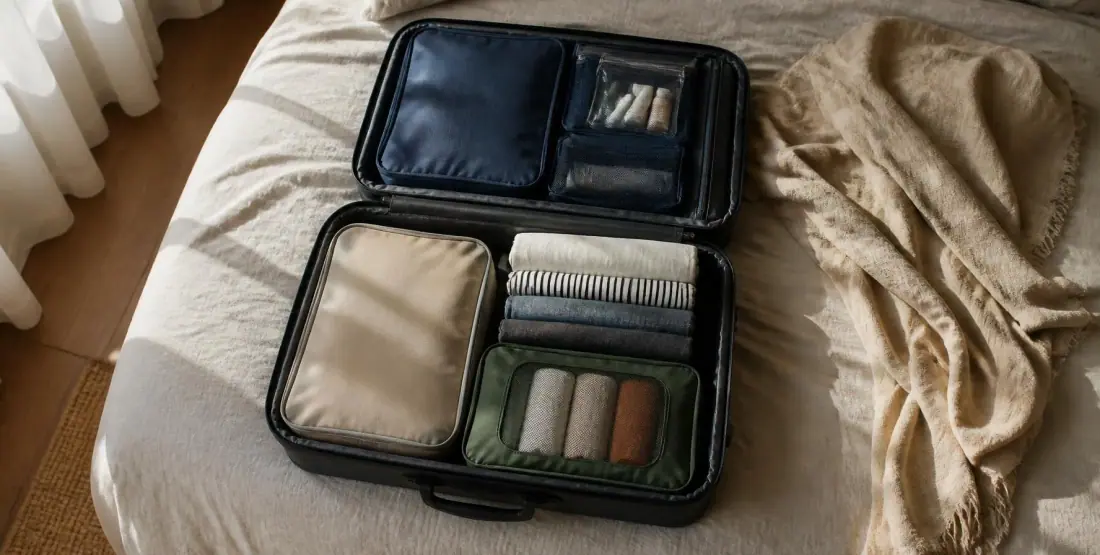
Packing cubes and pouches do not create space by magic, but they make a bag easier to live out of: you find things faster, repack in minutes, and keep clean and worn clothes apart.
Buying tips
Packing & organization
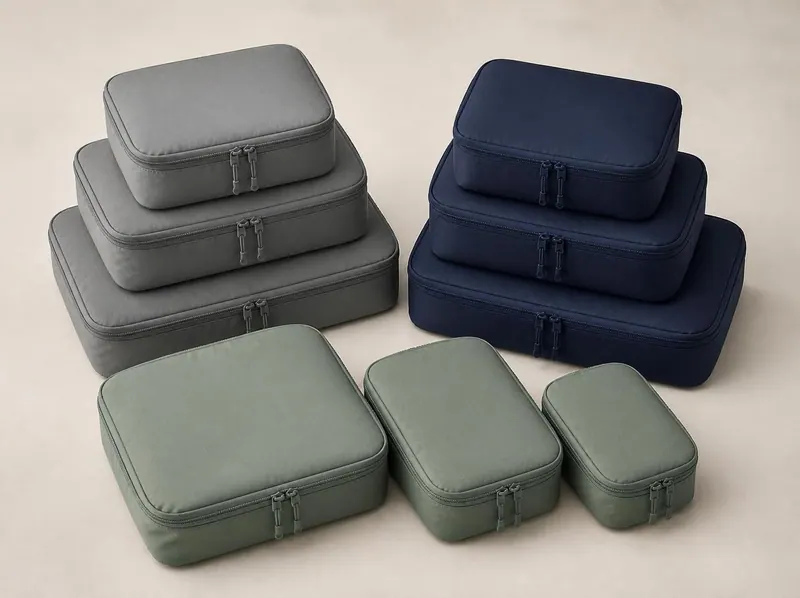
Mixed sizes keep clothes sorted and make repacking quicker.
Packing & organization
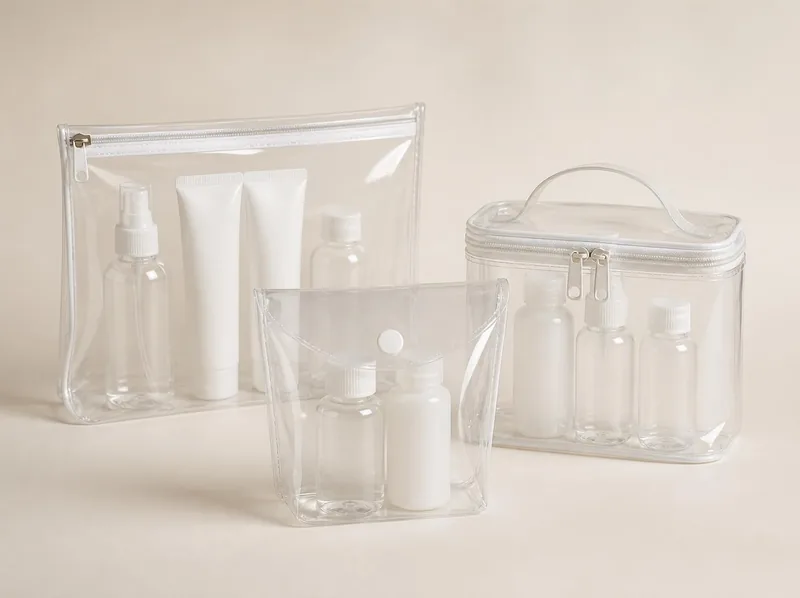
A sturdier, reusable alternative to zip-top bags for the carry-on liquids check.
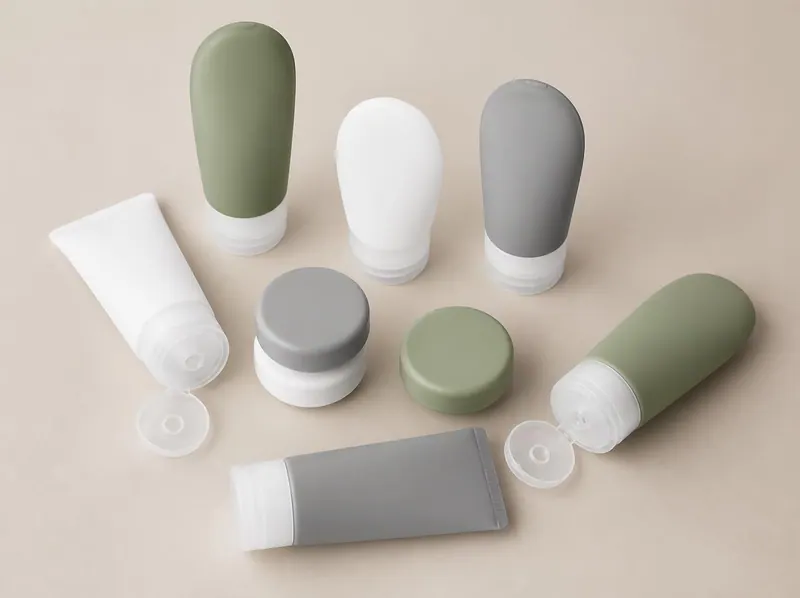
Packing & organization
Small refillable bottles for shampoo and lotion. Keep each at 3.4 oz (100 ml) or less for carry-on.
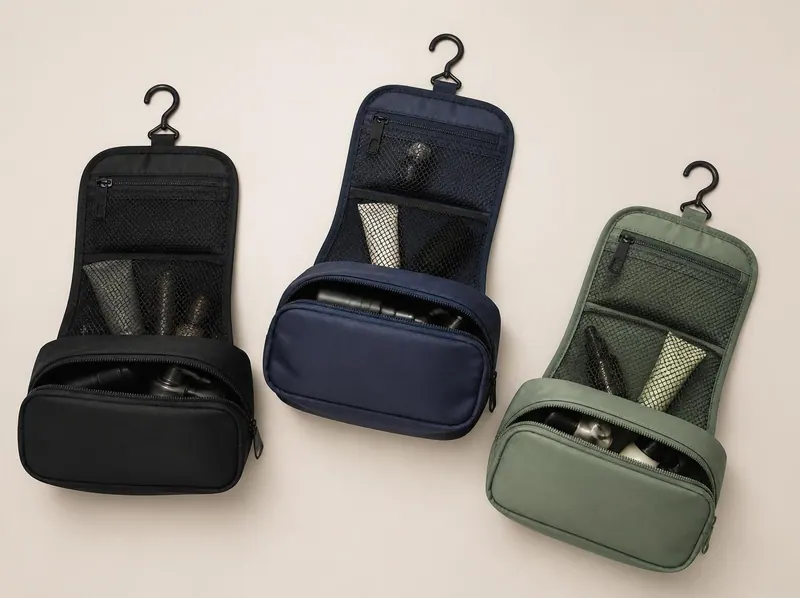
Packing & organization
Hooks onto a door or towel rail, handy when bathroom counter space is tight.
04
4 picks
Travel clothing is less about special gear and more about fabrics that pack small, dry fast, and look fine for several wears. A few versatile layers go further than a full wardrobe.
Buying tips
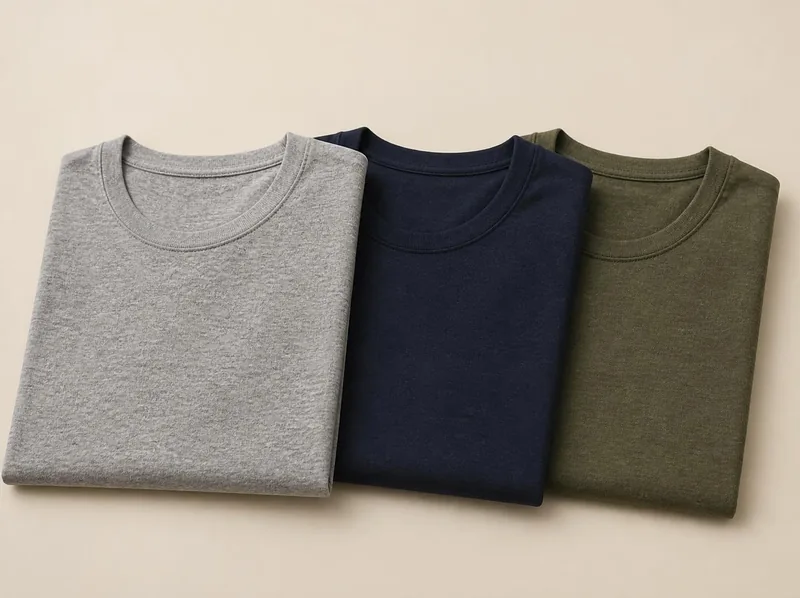
Travel clothing
Stays fresher over several wears than cotton, so you can pack fewer shirts.
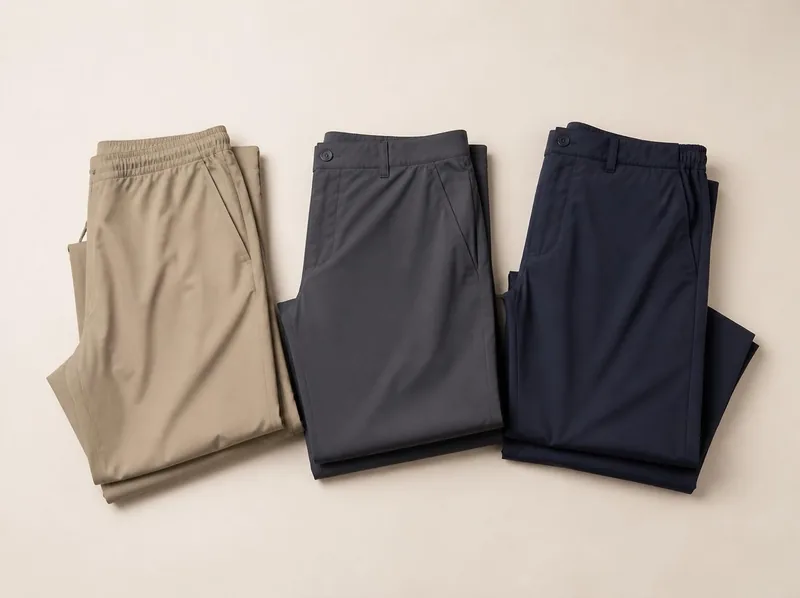
Travel clothing
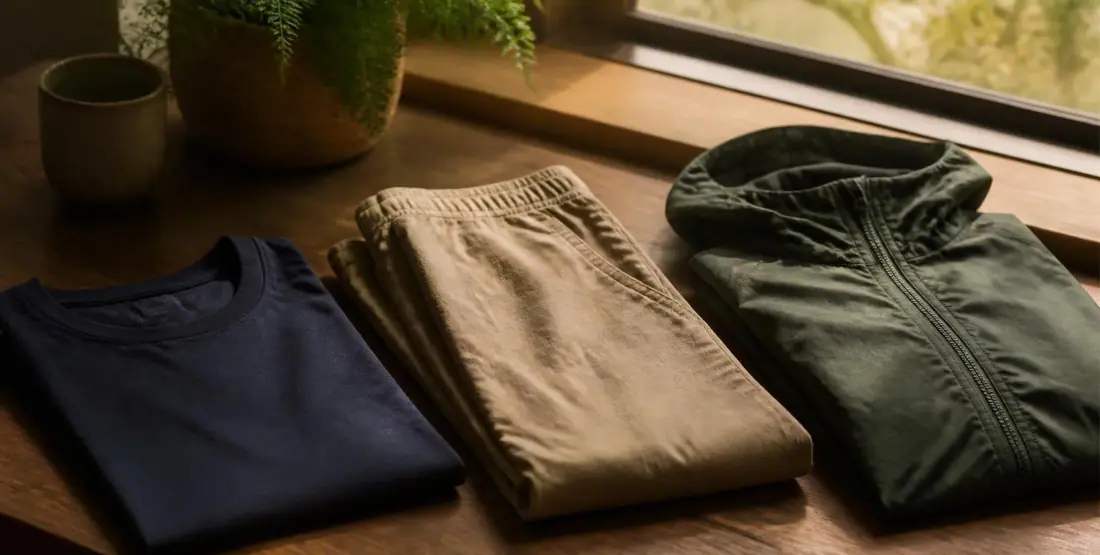
Lightweight, wrinkle-resistant pants that dry overnight after a sink wash.
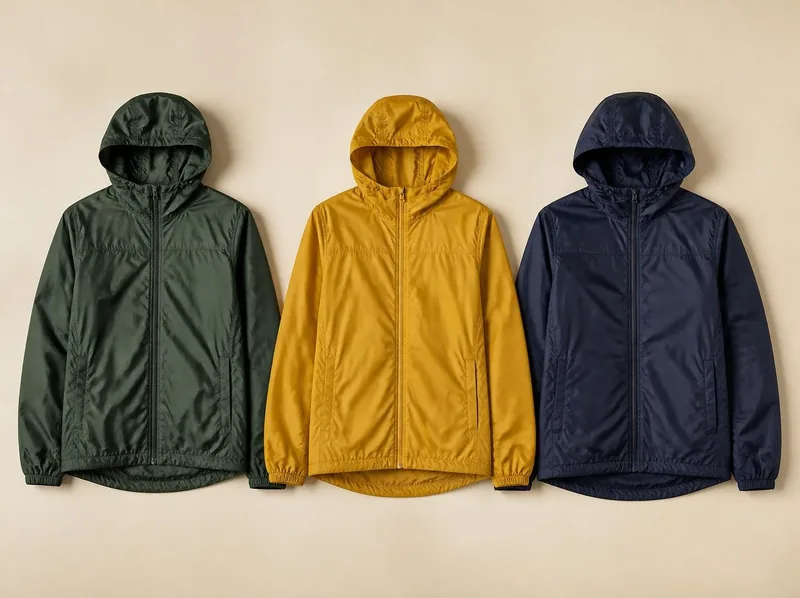
Travel clothing
A thin waterproof shell that stuffs into a pocket and handles most surprise showers.
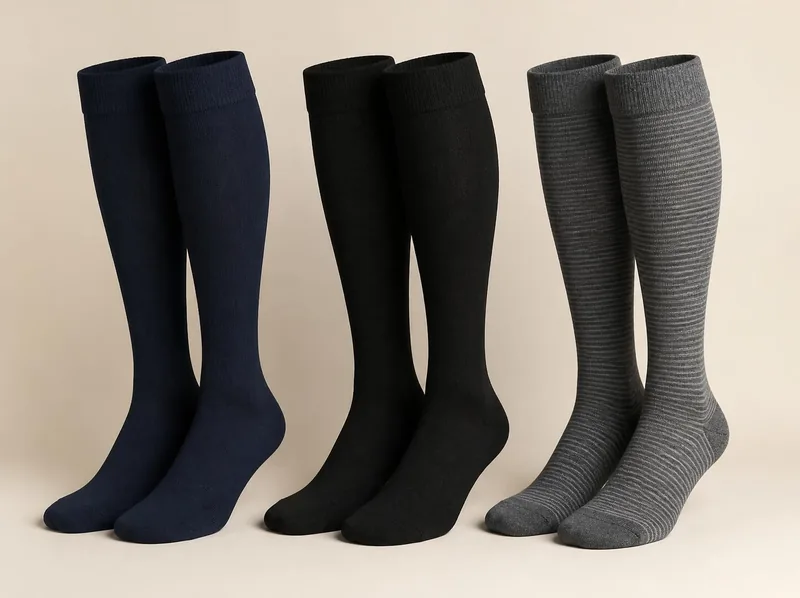
Travel clothing
Many long-haul travelers find them more comfortable on flights over a few hours.
05
5 picks
The right small accessories prevent the most common travel frustrations: dead phones, the wrong plug, and bags that go missing. Keep it simple and compatible with the devices you already own.
Buying tips
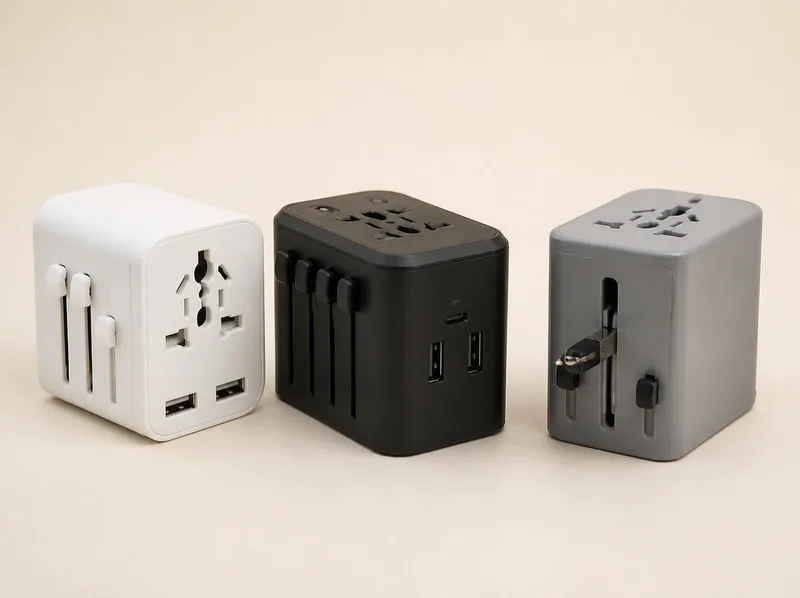
Tech & accessories
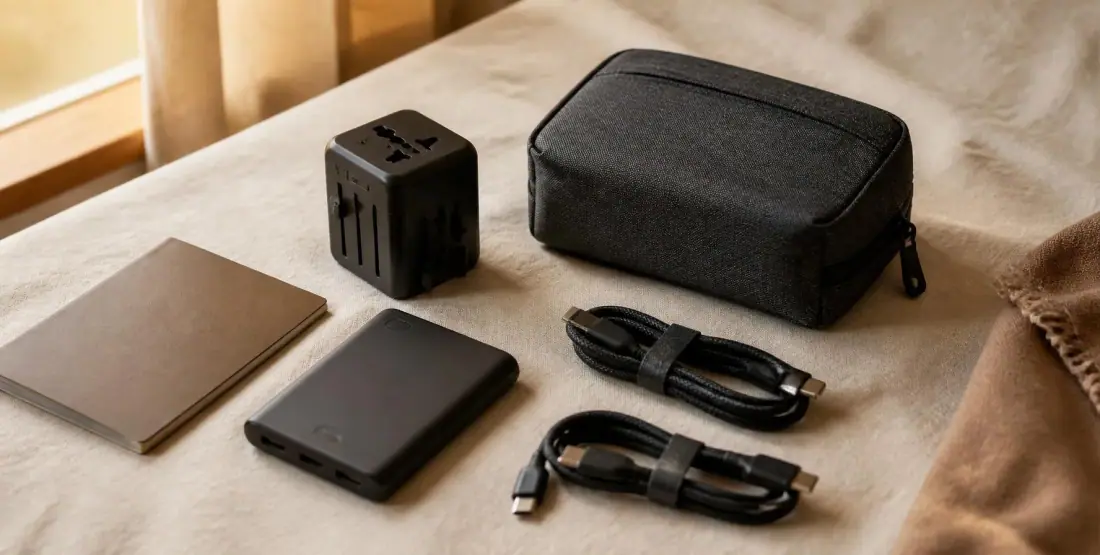
One adapter covering common plug types (US, EU, UK, AU), with built-in USB ports for phones.
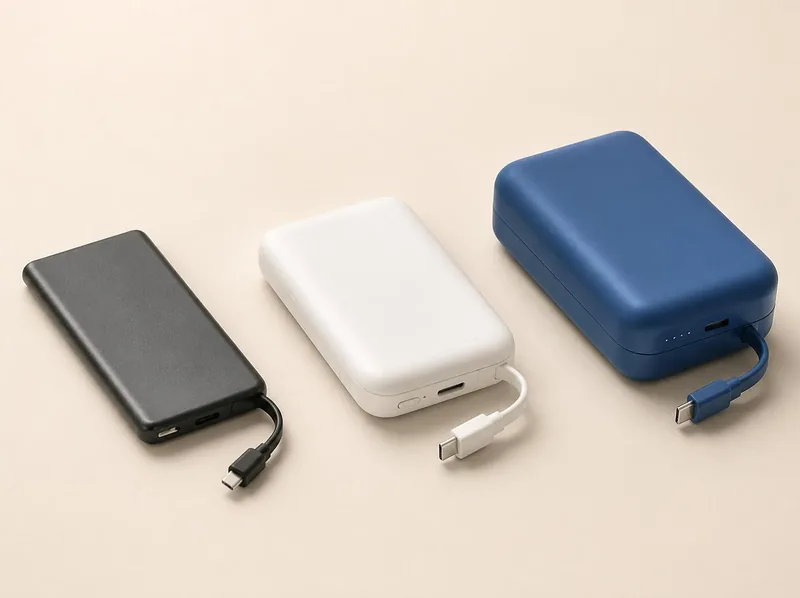
Tech & accessories
Pocket-sized, typically enough to recharge a phone at least once, and well under the 100 Wh carry-on limit.
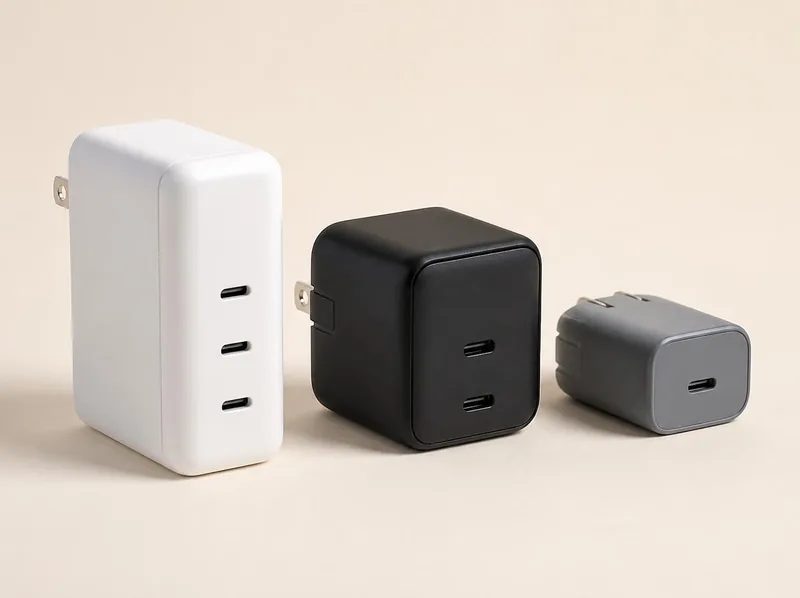
Tech & accessories
Charges a phone, watch, and laptop from one small brick — fewer chargers, fewer outlets.
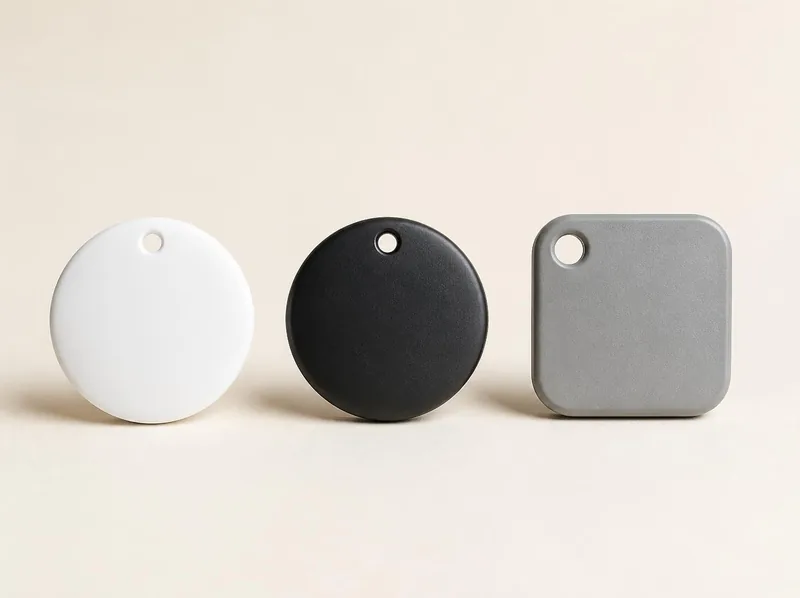
Tech & accessories
Slip one into checked bags to see roughly where they are if they get delayed.
Tech & accessories
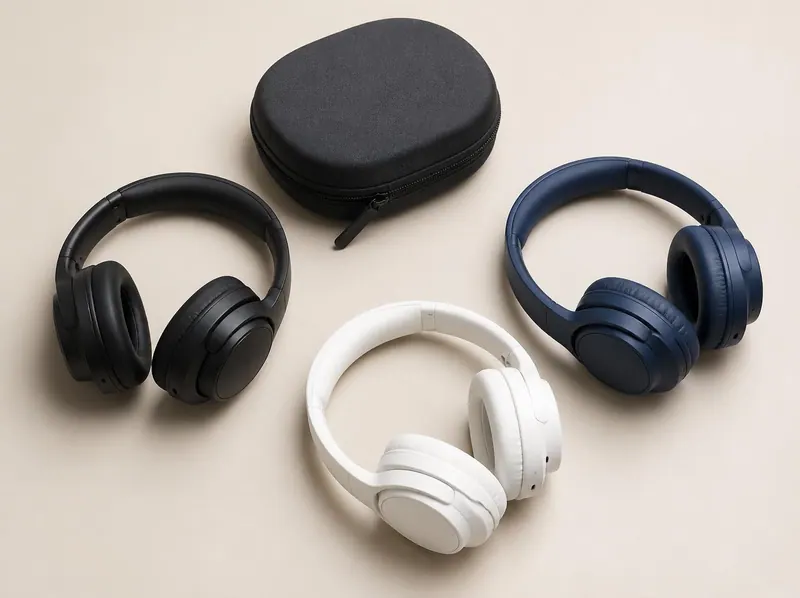
Can take the edge off engine and cabin noise on flights and trains.
06
3 picks
Small comfort items can make long flights, night trains, and bright hotel rooms easier to sleep through. Pick things that pack small and that you will actually use.
Buying tips
Comfort & sleep
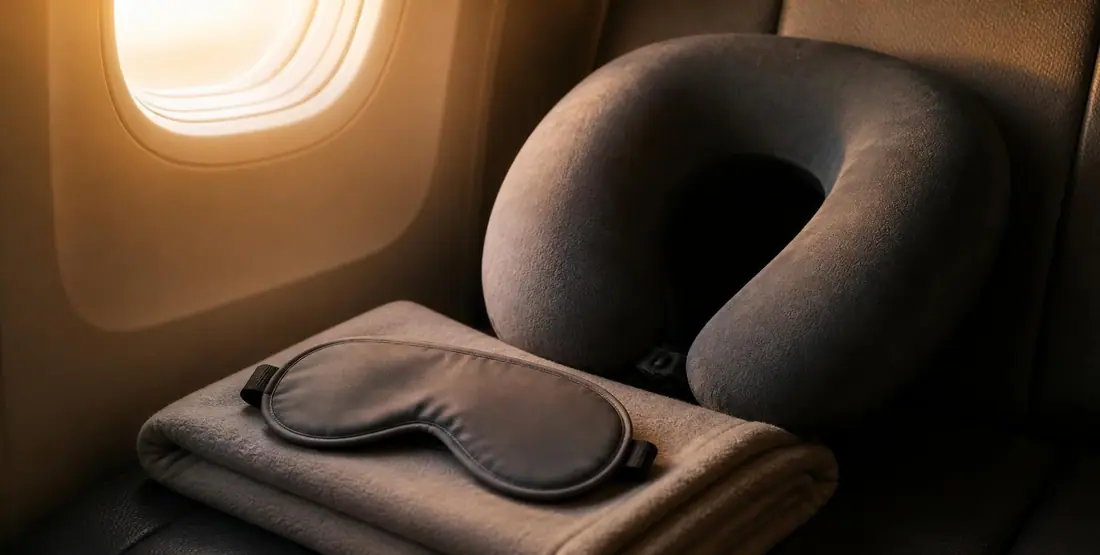
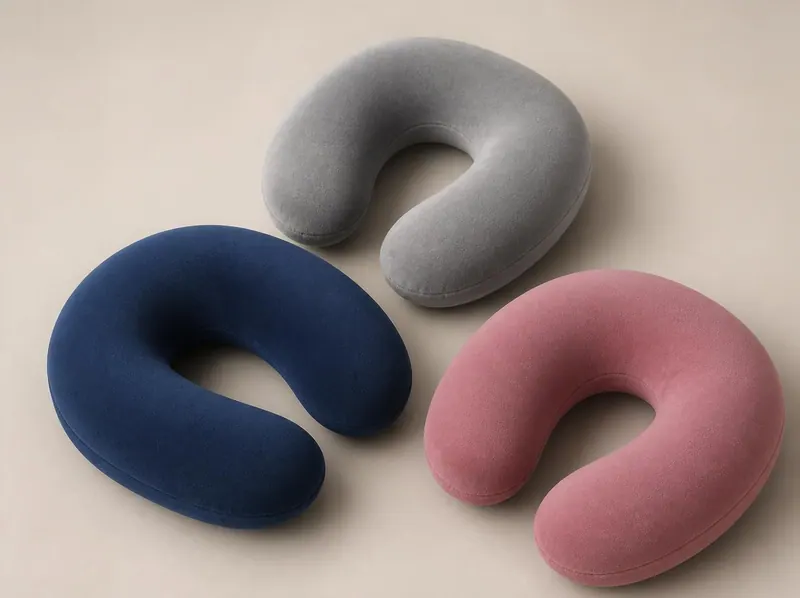
Supports your head on flights and trains. Memory foam and inflatable styles trade comfort for pack size.
Comfort & sleep
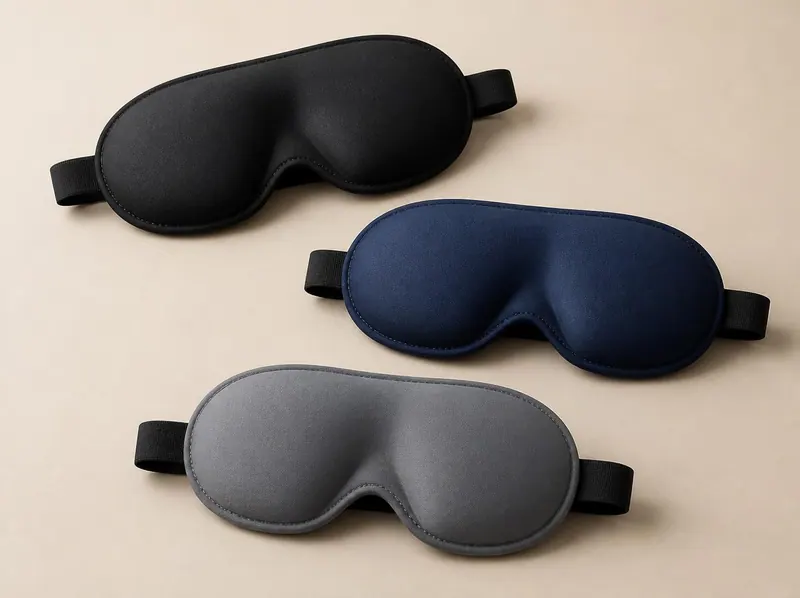
Blocks light for naps on planes and in bright hotel rooms.
Comfort & sleep
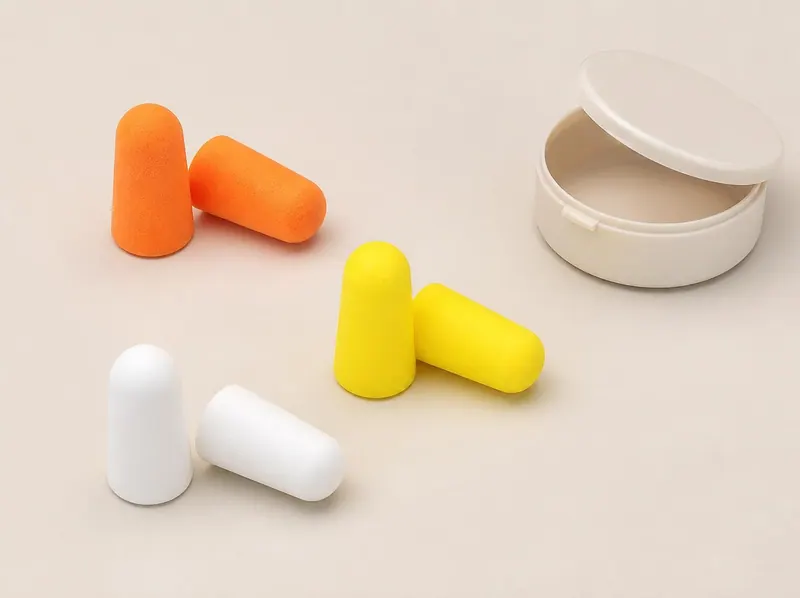
A light, low-cost way to cut down on noise when you sleep or read.
07
2 picks
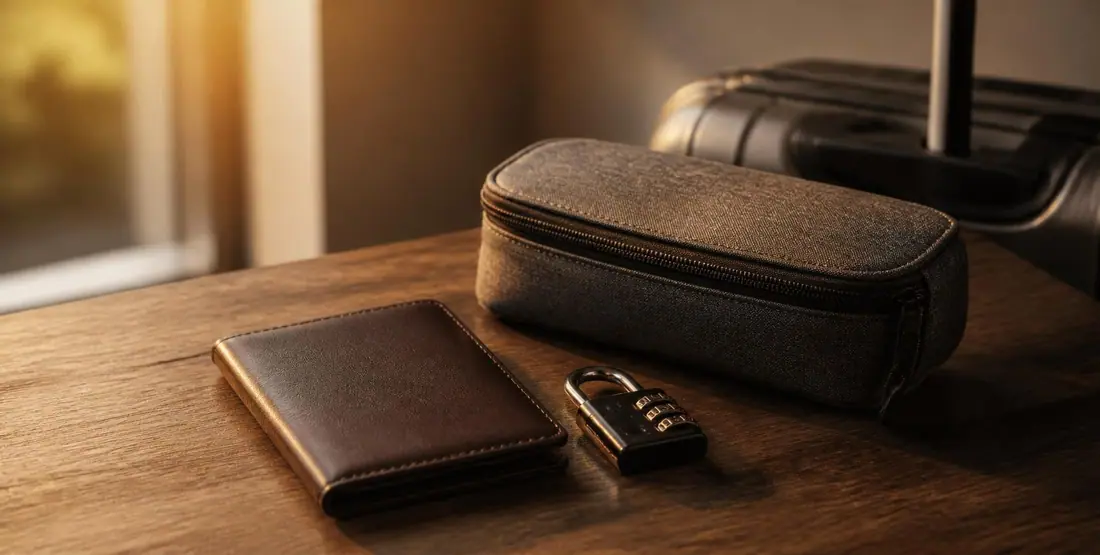
Travel security is mostly habits plus a few inexpensive items: keep documents together, lock your bags, and keep valuables on you rather than in checked luggage.
Buying tips
Security & documents
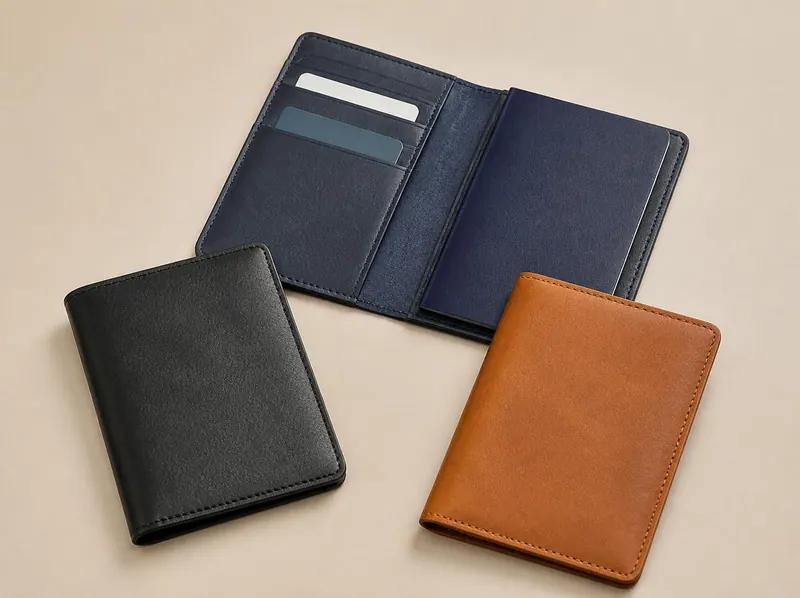
Keeps your passport, cards, and boarding pass in one place.
Security & documents
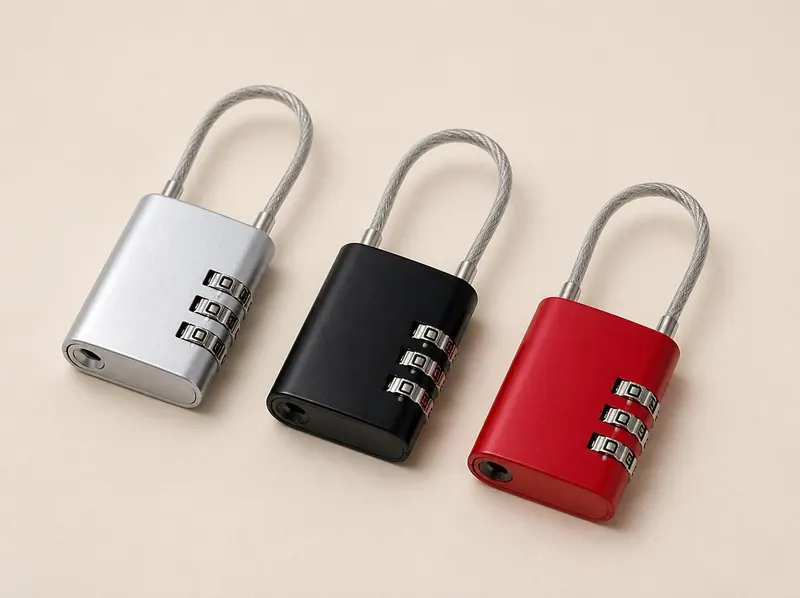
Combination locks that TSA officers can open with a master key if they need to inspect a bag.
How we pick: we list generic product types that suit common trips, based on published specs and features. Links open Amazon search results, so you can compare options yourself. We have not hands-on tested every item. See our method and advertising disclosure.